
Enterprise AI moved further into infrastructure operations this week, with new developments focused on compute scheduling, voice-agent deployment and the security of high-speed network links. The common theme is operational control: organizations are looking beyond model access to the systems that allocate GPU capacity, connect AI services to workflows and protect the data moving between infrastructure components.
Nutanix (NASDAQ: NTNX) said it has acquired Ryax Technologies, a French AI compute orchestration and management platform provider. Nutanix plans to integrate Ryax’s GPU-utilization and smart-scheduling capabilities into Nutanix Kubernetes Platform and Nutanix Enterprise AI.
The acquisition is directly relevant to infrastructure teams dealing with uneven demand for accelerated computing. GPU resources are costly and can become a bottleneck when multiple AI projects compete for capacity. Nutanix said the integration is intended to help enterprises build, run and govern agentic AI across environments. If the planned product integration delivers as described, it could give platform teams a more unified way to schedule AI workloads and manage the resources used to run them.
Scheduling is also a governance issue, not only a performance issue. Platform owners need to know which projects are consuming accelerated capacity, where workloads are running and whether policies are applied consistently across clusters. Nutanix did not provide a timetable for the integrations, so customers will need to assess the available capabilities as they are incorporated into its platforms.
Google, part of Alphabet Inc. (NASDAQ: GOOGL), introduced Gemini 3.8 Live and Gemini 3.8 Live Extended Thinking. The company said the models are designed for near-real-time reasoning and production voice agents, with the standard Live model aimed at scale and cost efficiency and the Extended Thinking version aimed at more complex, multistep tasks.
For developers and enterprise teams, the operational feature is the models’ ability to execute tools and API calls in the background while continuing a conversation. Google said both models are available to developers through the Gemini API and Google AI Studio, while enterprise access is in private preview through Gemini Enterprise. That availability model means IT teams considering voice-driven workflows will still need to evaluate access controls, API integration and monitoring before moving a use case into production.
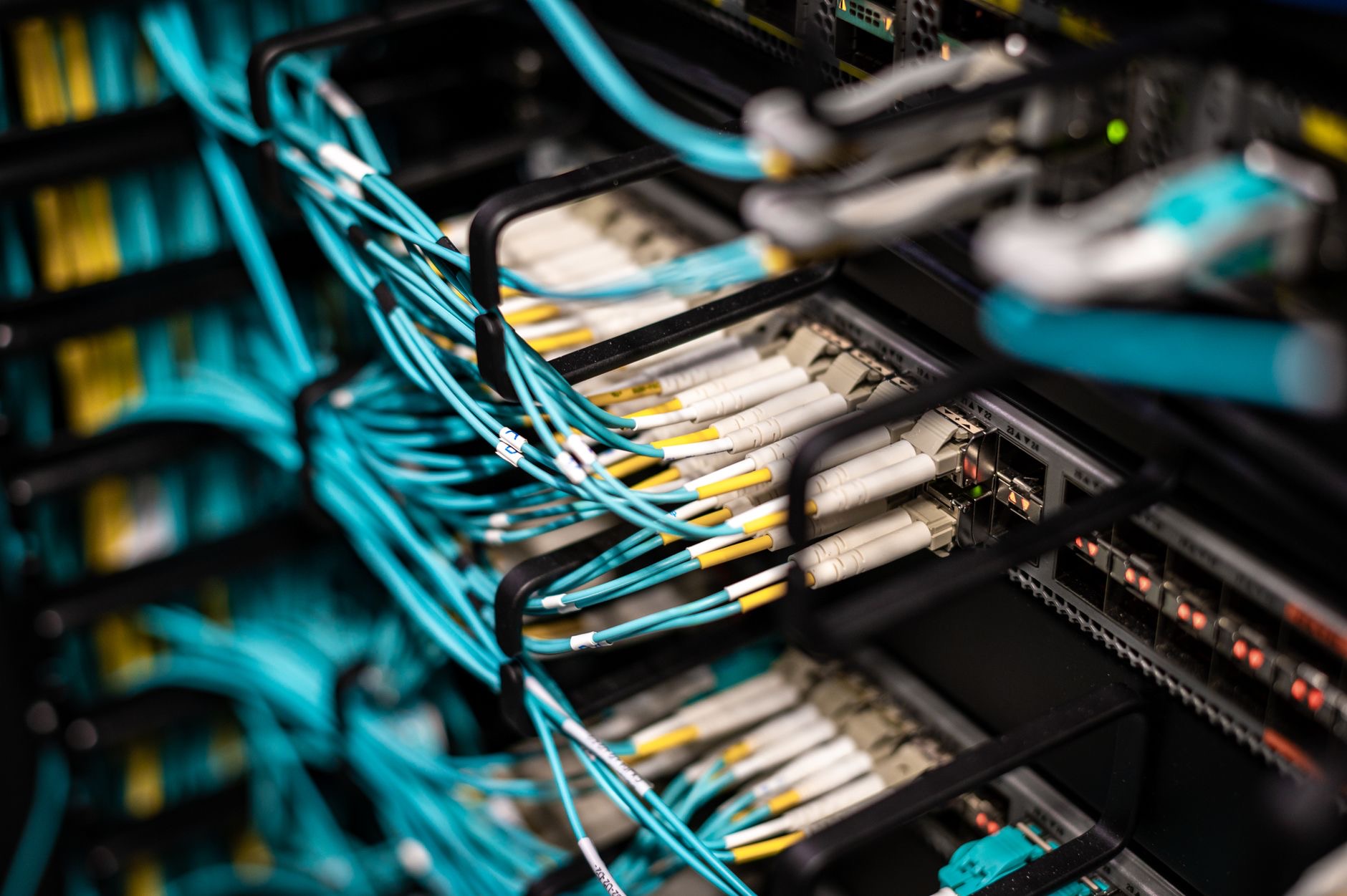
Coherent Corp. (NYSE: COHR) is taking a network-security angle. At ECOC 2026, the company said it will demonstrate quantum random-number generation for encryption applications and participate in a compact quantum key-distribution demonstration. The work pairs optical connectivity with technologies intended to improve how encryption material is generated or distributed across high-capacity infrastructure.
The demonstration is not a broad deployment announcement, but it illustrates a growing concern for AI infrastructure operators: safeguarding traffic moving between compute, storage and networking systems. As AI clusters expand, the network becomes a more material part of both performance and security planning. Coherent’s focus on pluggable optical architecture points to a possible path for introducing stronger physical-layer protections without redesigning every component of an existing environment.
These developments are at different stages, from an announced acquisition to product availability and a technology demonstration. Still, they show where enterprise AI operations are heading: toward more deliberate control of compute resources, more practical interfaces for automated workflows and greater attention to the security of the infrastructure underneath them.
Related reading: BizTech Journals’ deal analysis examines reported Anthropic revenue and IPO expectations.