

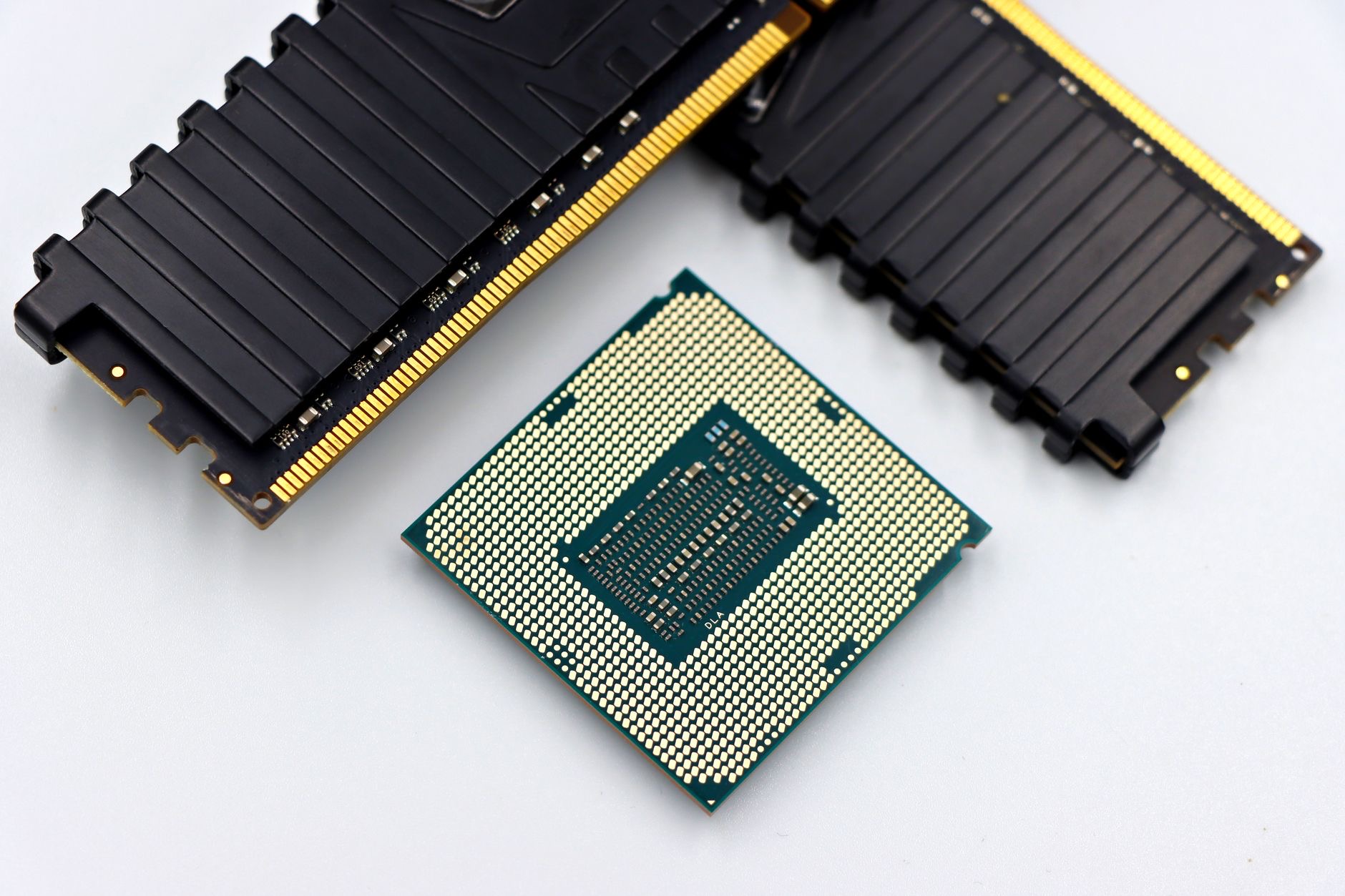
Marvell Technology, Inc. (NASDAQ: MRVL) and Penguin Solutions, Inc. (NASDAQ: PENG) are developing CXL-based memory expansion hardware that they say will let AI data centers add server memory capacity by reusing DDR4 modules from decommissioned systems. The companies also outlined a longer-term photonic memory-pooling design for larger AI inference environments.
The immediate component of the collaboration pairs Marvell’s Structera X memory-expansion controller with Penguin’s SMART CXL add-in cards. The companies said the cards will connect high-density DDR4 memory to servers through PCIe 5.0 and CXL 2.0, giving operators a planned option to add memory without replacing an entire server platform.
That is relevant to infrastructure teams because large language models and agentic AI systems can require more memory as context windows and key-value caches grow. In those workloads, a shortage of memory capacity or bandwidth can limit accelerator use even when compute resources remain available. The companies did not publish independent benchmarks, pricing or system-level performance results for the planned products.
Marvell and Penguin said the CXL cards are intended for direct server attachment in a standard add-in-card form factor. They also said the cards could be used in dedicated CXL memory appliances, allowing recycled DDR4 capacity to be allocated across multiple hosts rather than kept within one server.
The proposal differs from a conventional server refresh, where organizations buy new memory alongside new processors and motherboards. Reusing modules from retired systems could give operators another capacity-planning option while DDR5 and high-bandwidth memory supplies remain constrained. The practical value will depend on compatibility, validation and the operational cost of managing an added memory tier.
Because the companies describe a planned integration, it does not establish behavior across particular operating systems, hypervisors or GPU server configurations. Buyers will need vendor validation and deployment guidance before treating the roadmap as a production upgrade option.
The companies also described a second, less mature architecture aimed at memory sharing across multiple racks. That design would integrate Marvell’s Photonic Fabric optical interconnect technology into Penguin’s MemoryAI appliances and ComputeAI systems. Marvell and Penguin said it is intended to support low-latency, high-bandwidth disaggregated memory pools at petabyte scale for context-heavy AI inference.
For IT teams, the distinction between the two designs matters. CXL expansion addresses capacity near an individual server, while the optical design targets a shared resource across a wider AI deployment. Both approaches seek to separate memory growth from compute growth, but the photonic system will require a more extensive infrastructure architecture and is still in joint development.
Penguin SMART CXL add-in cards using Structera X are expected to be available for qualification and enterprise deployment by the end of 2026, according to the companies. The photonic-integrated memory expansion servers are expected to sample in the second half of 2027. Those dates are forward-looking plans rather than current product availability.
The collaboration adds a specific reuse and pooling path to the AI infrastructure market’s response to memory pressure. Legacy server upgrades generally bind compute and memory decisions together. If the products reach the stated milestones, the CXL cards could give data-center operators a more modular way to extend capacity for inference workloads while preserving usable DDR4 inventory.