

Super Micro Computer, Inc. (NASDAQ: SMCI) has expanded its Open Compute Project-based infrastructure portfolio with rack-scale systems, power, cooling, networking and management components intended to help data-center operators bring dense AI and high-performance computing capacity online faster. The portfolio is built around the company’s Data Center Building Block Solutions approach, which combines hardware and deployment services into validated configurations for enterprise-scale operators.
The additions span Open Rack v3 and Open Rack v4 systems, racks, rear-door heat exchangers and liquid-cooling equipment, alongside networking and management software. Supermicro said the components can be assembled into end-to-end rack- and cluster-scale deployments, giving operators a common foundation for compute, power delivery, cooling and network design rather than treating those layers as separate integration projects.
That integration focus addresses a practical constraint for AI infrastructure teams: higher-density GPU and CPU deployments increase demands on power distribution and heat removal at the same time. Supermicro’s ORv3 and ORW racks use a centralized 48-volt DC busbar instead of per-server power supplies and cables. The company said that design can help operators optimize systems for higher-density racks while reducing cabling inside the enclosure.
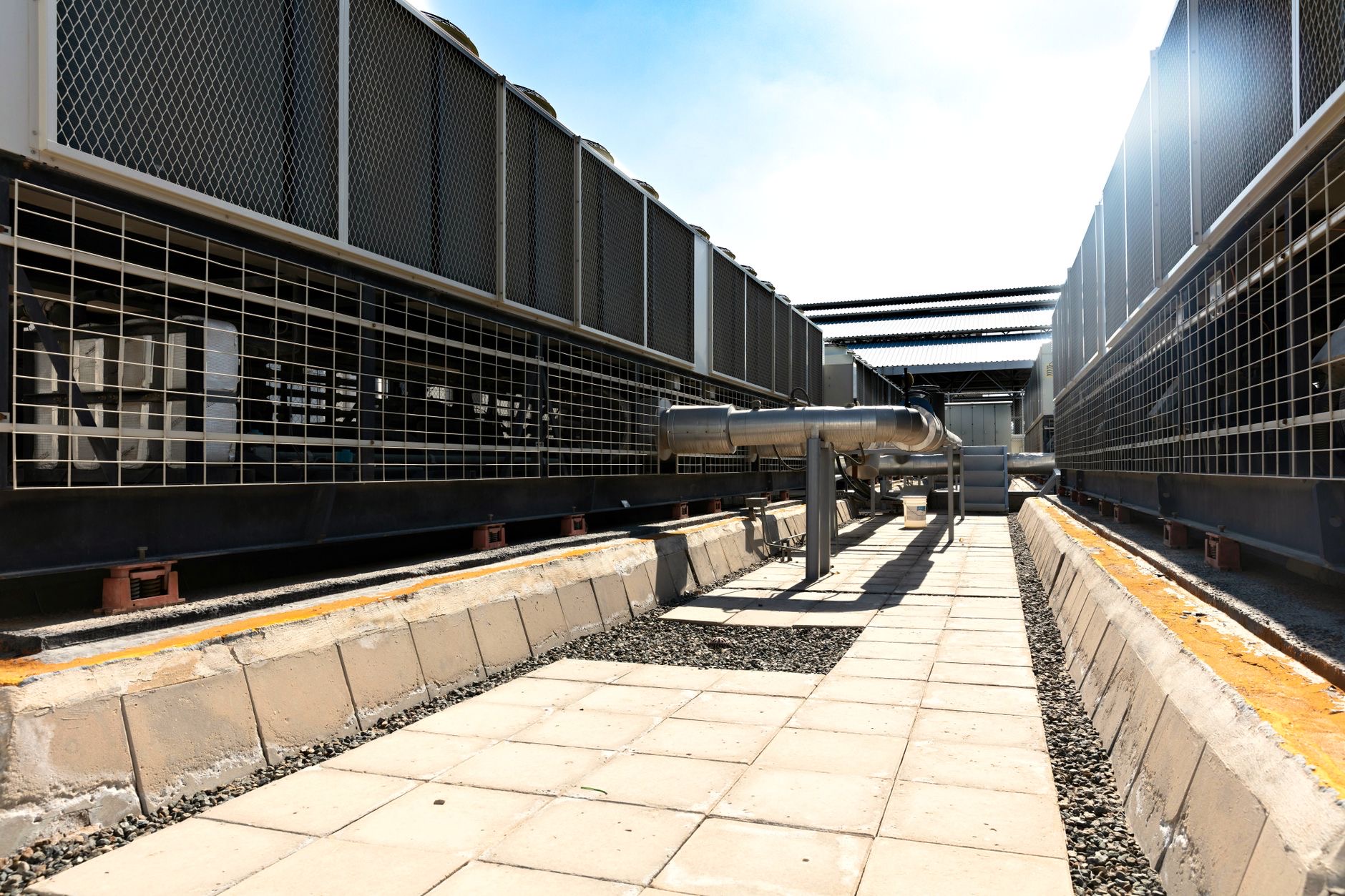
Cooling is a central part of the expanded lineup. The company said its direct-to-chip liquid-cooling design removes heat from processors and other critical components, while rear-door heat exchangers remove residual heat from server exhaust before it enters the data hall. The heat-exchanger range covers 10 kW to 120 kW, and the rack-mounted units include AC and DC options. Supermicro also described in-rack coolant distribution units with up to 250 kW of cooling capacity for high-density AI racks.
The rack equipment also includes redundant fans and a system intended to prevent condensation from damaging components, according to the company. That matters for teams that must combine denser computing with uptime requirements inside facilities that were not originally designed for large liquid-cooled clusters. The portfolio includes both rack-level cooling hardware and site infrastructure, so its scope reaches beyond a server configuration alone in demanding enterprise deployments.
For operations teams, the portfolio also includes Supermicro system-management software that supports Redfish APIs and an OpenBMC-based architecture for remote management. The company said its SuperCloud software tools are designed to let organizations monitor and manage DCBBS components through industry-standard protocols and operate infrastructure across enterprise data centers, AI factories and GPU-cloud environments from a unified control layer.
The company also added 800G and 1.6T Ethernet switching options, including platforms designed for OCP racks and liquid-cooled configurations. Those network components are meant to sit alongside the compute, power and cooling equipment rather than requiring a separate rack-level design. Supermicro said its OCP solutions are available now.
For enterprises expanding AI capacity, the main operational issue is not only acquiring accelerated servers but coordinating the power, cooling, networking and management systems that make dense racks deployable. Supermicro’s approach does not remove the need for facility planning, but validated rack-scale configurations could reduce the integration work between those infrastructure layers when teams add high-density AI capacity to existing or new data centers.