
Brazil’s technology sector is building a broader international profile as enterprises shift from isolated artificial intelligence pilots toward data, automation and operating models that can support AI at scale. Success in that transition depends on more than access to models: technology providers need to integrate with existing systems, make data usable in business contexts and give customers a practical path to governance, security and measurable outcomes.
Brazilian technology companies are also using export and market-development programs to connect those capabilities with global buyers. Brasil IT+, an initiative of the Brazilian Trade and Investment Promotion Agency, ApexBrasil, and Softex, has taken delegations to Gartner IT Symposium/Xpo for 21 consecutive years. Its 2026 delegation brought 20 Brazilian companies to Orlando, creating a venue for them to present enterprise technology offerings to international IT leaders.
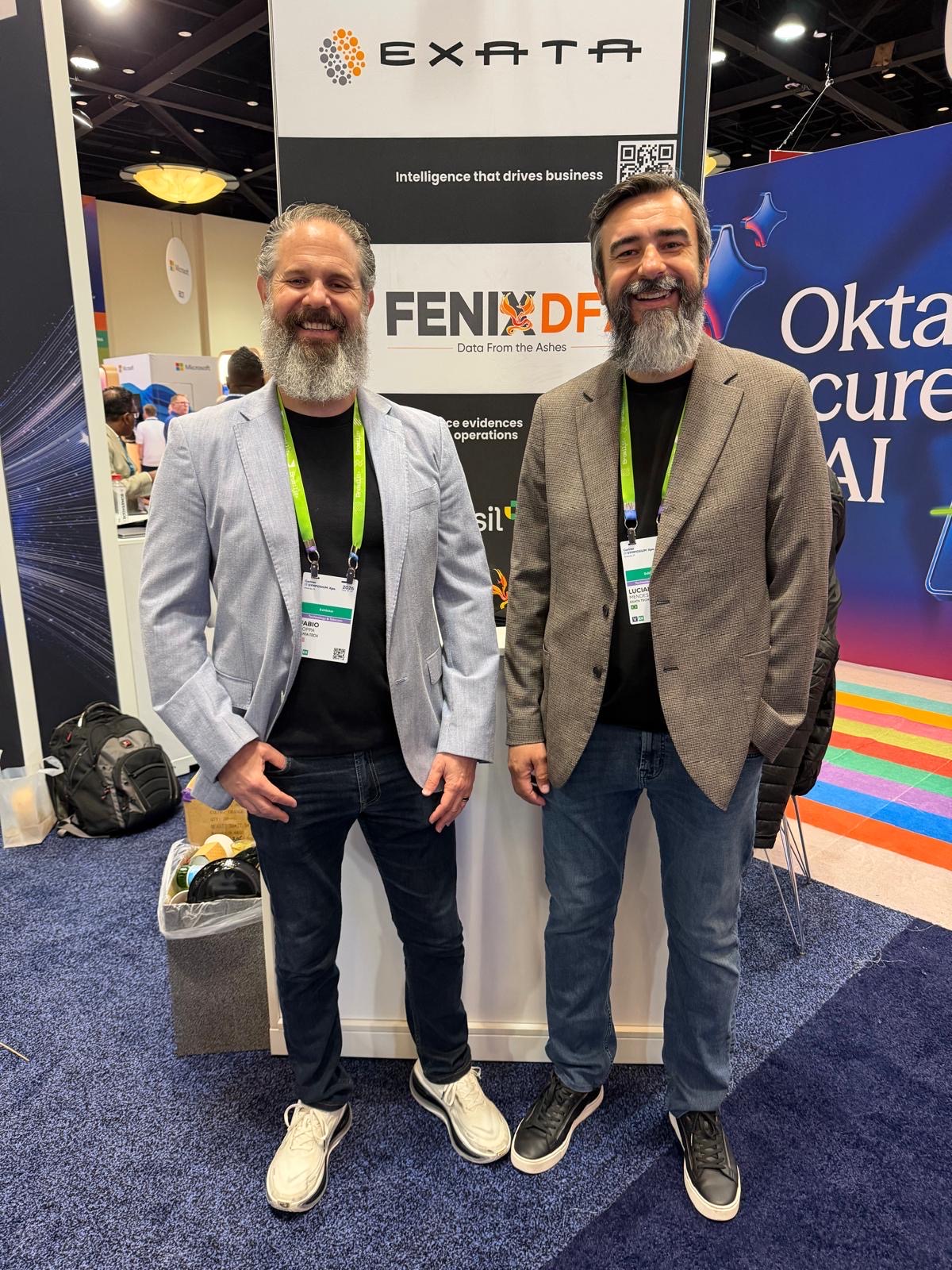
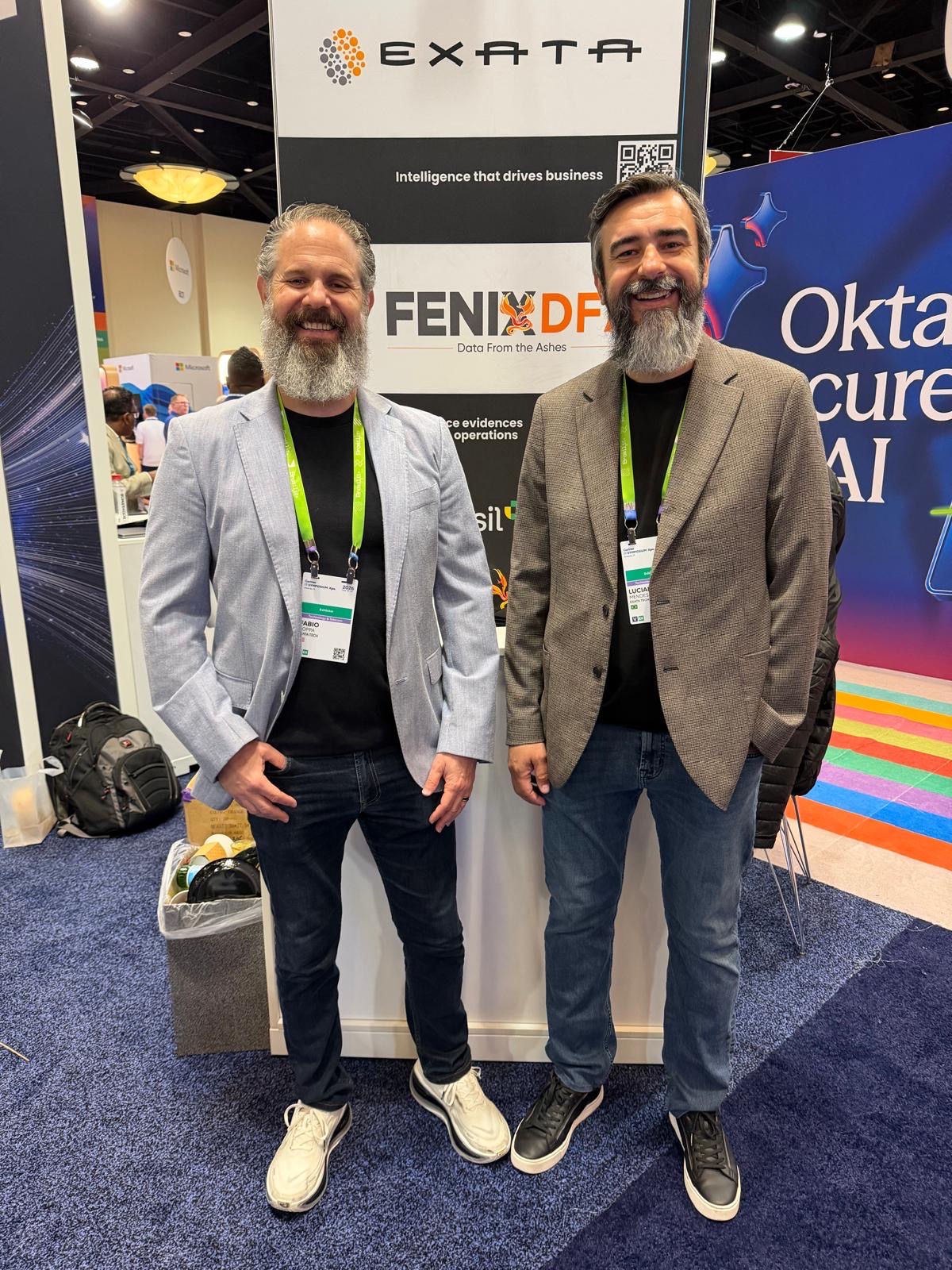
That effort formed the backdrop for Exata Tech, which joined the delegation at Gartner (NYSE: IT) IT Symposium/Xpo 2026, held Oct. 19-22 in Orlando. Exata said the conference drew more than 7,500 CIOs and IT executives and centered on artificial intelligence, data and analytics, governance, security, architecture, costs and new enterprise operating models.
The event agenda reflects a more demanding phase of enterprise AI adoption. Rather than treating generative AI as a stand-alone capability, IT teams are increasingly evaluating how AI connects with data quality, systems architecture, business processes and decision rights. For providers seeking to serve that market, the ability to work with existing technology environments can be as important as an individual AI feature.
Fragmented data and disconnected decision processes can limit the usefulness of AI projects even when a model performs as intended. That is why the event’s emphasis on governance, architecture and costs matters for vendors and customers alike: scaling AI requires the surrounding data and operating environment to be ready for it.
Exata said it has spent 14 years working in data analytics, automation and applied AI, with projects in nine countries. The company said its approach is to integrate and organize data from customers’ existing systems, automate processes and develop intelligence applications intended to support business decisions while preserving each organization’s current architecture and operating context.
At the event, Exata presented Smart Sale, a commercial-intelligence platform for distributors, wholesalers and retail networks. The company said the platform combines sales, customer and inventory data to support decisions involving account portfolios, product mix, commercial priorities, demand forecasting and inventory management. The company did not describe Smart Sale as a newly launched product or provide independent performance results.
For enterprise IT teams, the relevance of the Brazilian delegation lies in the operational issues it addressed: connecting AI to governed data, integrating new capabilities with established systems and tying technology investment to business decisions. Those challenges apply across markets, but companies that can package local industry experience into repeatable data and automation offerings may find more opportunities to compete internationally.
Exata’s participation does not by itself establish broader market adoption of its technology. Still, the delegation’s continued presence at a major CIO event illustrates how Brazilian vendors are seeking visibility in a market where buyers increasingly expect AI initiatives to be supported by data foundations, operational controls and clear business use cases.