
AI is extending the reach of automation beyond conventional enterprise workflows and into fields where critical knowledge is dispersed across specialized documents, technical records and expert interpretation. The operational challenge is familiar: valuable information exists, but finding it, establishing its source and turning it into a timely decision can still require substantial manual effort.
In energy exploration, that information can include historical reports, well data and geological records accumulated over years. The task is not simply to place a chatbot in front of the material. Technical teams need a way to retrieve relevant information, trace it back to its source and apply it within the private computing environments that support their scientific and operational work.
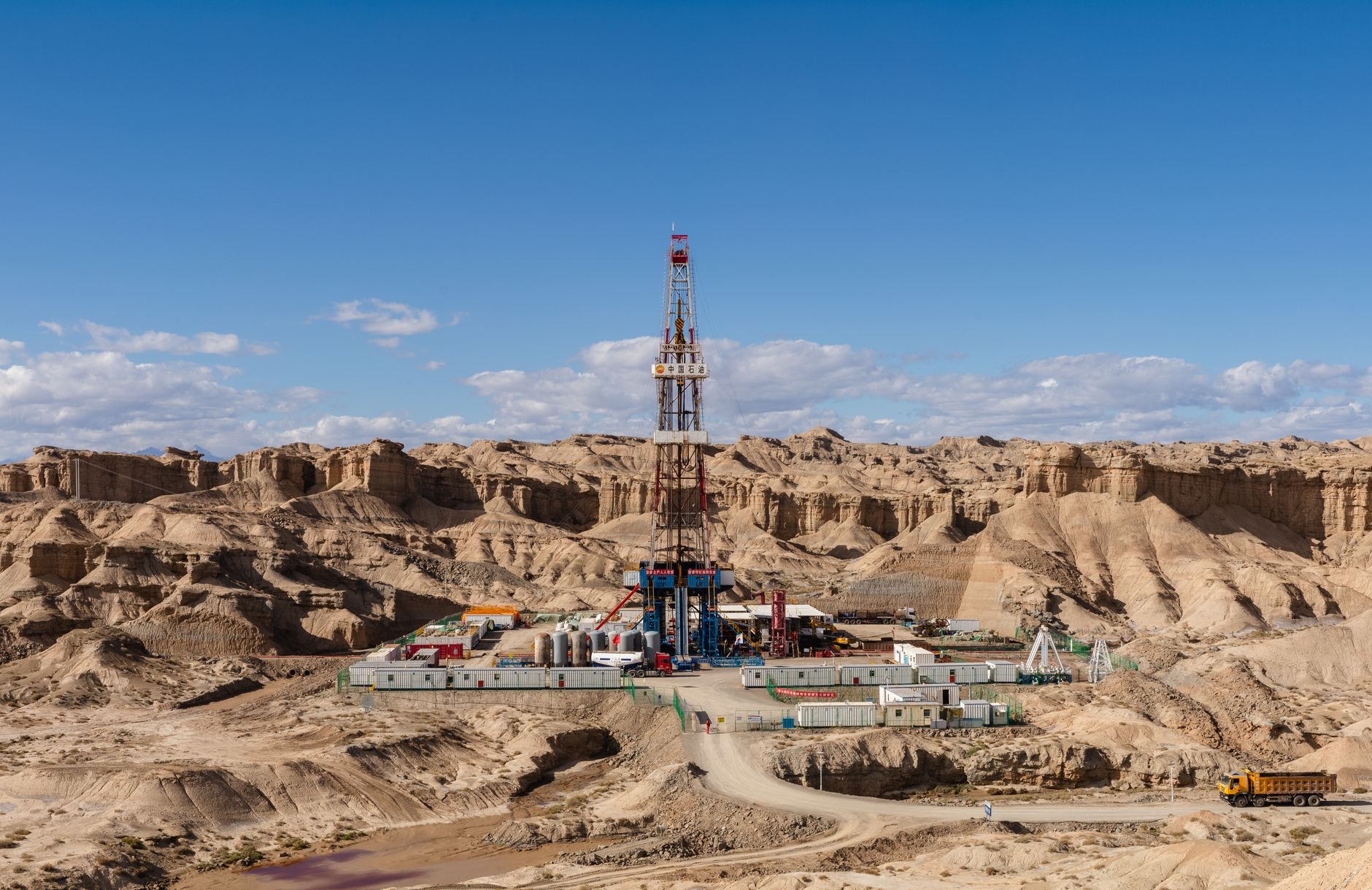
GeoComputing and Gold Hydrogen (ASX: GHY) have signed a memorandum of understanding to evaluate whether GeoComputing’s AViR private data and AI platform can support that type of geoscience workflow. The companies will assess the platform’s ability to help Gold Hydrogen’s technical teams work with geological and technical information used in natural hydrogen and helium exploration in Australia.
The evaluation centers on a possible upgrade of Gold Hydrogen’s SharePoint-based technical information repository. According to the companies, it would examine large language model and agentic-AI capabilities for making legacy PDFs, well completion reports and well logs easier to search, retrieve, trace and analyze. The agreement establishes an evaluation framework; it does not describe a production deployment, performance results or a completed integration.
AViR builds on GeoComputing’s RiVA cloud platform, which the company positions for petroleum workflows. GeoComputing said AViR adds locally hosted language models intended for private, in-country operation, while RiVA brings high-performance computing closer to the data used by technical teams. The companies did not specify which models, agents, data-governance controls or integration methods will be used during the evaluation.
For Gold Hydrogen, the immediate prospective benefit is more direct access to a complex technical record. Engineers and geoscientists could potentially spend less time locating relevant documents and more time evaluating the information in context. That outcome will depend on the quality and organization of the underlying material, as well as the accuracy and traceability of the system’s retrieval and analysis functions.
The project also illustrates how automation patterns developed in enterprise IT are being adapted for specialized operational domains. In both settings, teams must connect scattered information sources, apply controls around sensitive data and give domain experts a usable path from information retrieval to action. The difference is that subsurface interpretation carries its own data types, terminology and scientific judgment, making private deployment and source traceability central design considerations rather than optional features.
Private AI does not remove the need for expert review. For exploration teams, the value of a system such as AViR would rest on whether it can make existing knowledge more accessible without obscuring its provenance or overstating conclusions. The MOU will give the companies an opportunity to test that proposition before committing to any potential project or service.
For IT automation leaders, the partnership offers a practical example of AI moving from general enterprise productivity into a knowledge-intensive field workflow. The underlying automation objective remains consistent: bring relevant information to the people making decisions while maintaining control of the environment in which that information is processed.