
Perforce is bringing Parallel Python Debugging in TotalView to SC26, the Supercomputing 2026 conference, where it is demonstrating a new generally available capability designed to help high-performance computing teams investigate faults in distributed Python workloads without consuming more costly compute time.
The company will demonstrate the capability Nov. 17-19 at booth #2829. The timing puts the TotalView update before developers and infrastructure teams working with large-scale simulation, artificial intelligence, machine learning and scientific-computing workloads, where a failed job can tie up shared systems and delay subsequent work.
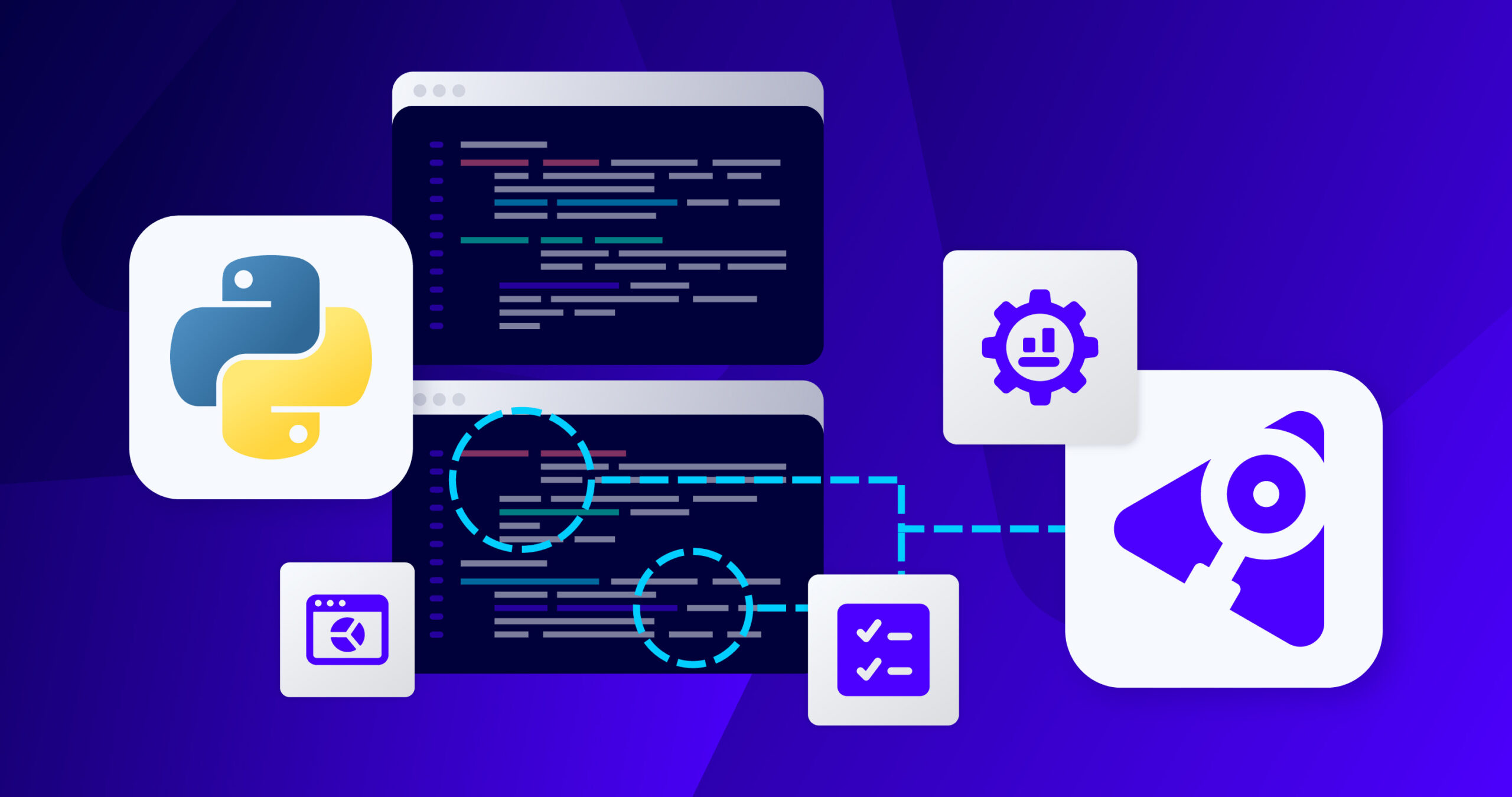
Parallel Python Debugging lets users view and control multiple Python processes at once while debugging distributed Message Passing Interface, or MPI, and other parallel workloads. Rather than focusing only on the process in which an error appeared, developers can inspect processes across ranks and nodes as part of one investigation.
That broader view addresses a recurring challenge in supercomputing. A Python application distributed across many processes can fail because of an interaction between those processes, while mixed-language systems may also combine Python with C++. Identifying the cause can require developers to compare execution state across a cluster, not simply step through one script on one machine.
Perforce said it worked with teams at Lawrence Livermore, Sandia and Los Alamos national laboratories to understand requirements for distributed scientific and machine-learning workloads. The company said the new capability is aimed at HPC developers, computational scientists, research engineers and AI infrastructure teams that need to examine parallel Python applications running across distributed systems.
Teams already using TotalView for MPI, OpenMP, C/C++ and Fortran applications can extend their existing debugging workflow to Python, according to the company. That could be relevant for research and engineering organizations supporting a mixture of established compiled applications and newer Python-based AI or scientific workloads. The source material does not provide independent measurements of time saved or compute capacity preserved, so those outcomes remain use cases rather than quantified results.
“Teams are building more of their most important HPC, simulation, and AI work in Python, and the compute they run it on is too valuable to spend on slow debugging,” Jeff Michael, Perforce senior director of product management, said in a statement. He said customers can use the feature to resolve issues earlier in development and protect project timelines and compute resources.