


Fabrication shops often begin with a detailed estimate but lose the connection to it once work moves into purchasing, scheduling, production and billing. Data can be re-entered into separate spreadsheets, purchase orders and invoices, leaving managers to reconcile planned labor and materials with actual costs after a job is complete. That gap can make it difficult to spot a margin problem while there is still time to address it.
For shops that both manufacture components and manage delivery or installation, the operational problem spans office and floor work. Estimators, purchasing staff, project managers and shop-floor supervisors need access to related information, but their handoffs can depend on separate records and manual updates.
Linarc has introduced an estimate-to-invoice offering for specialty fabricators that connects estimating, purchasing, scheduling, shop-hour logging and billing within its cloud-based construction management platform. The company said the workflows are intended to let fabrication businesses carry information from an estimate through a project rather than recreate it in separate operational systems.
The offering is aimed at businesses that manufacture in a shop and either deliver to a jobsite or complete on-site installation. Linarc cited metal fabricators, structural-steel contractors, mechanical shops and cabinetry manufacturers as intended users. The company said it is the first of several planned segment-specific launches.
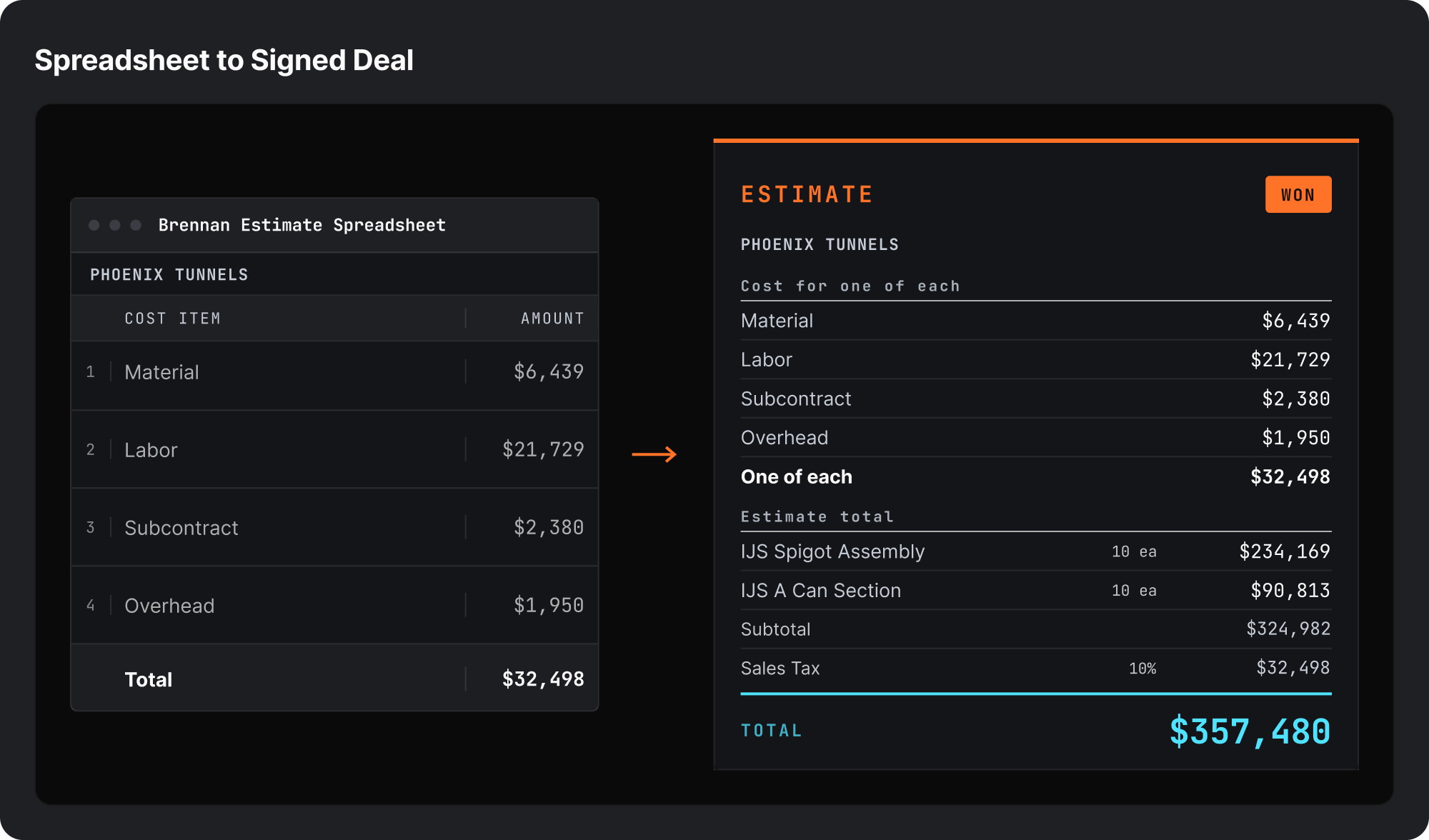
At the start of the workflow, shops can import estimates from a standard Excel sheet, including products, labor, materials, suppliers, subcontractor costs and overhead. Teams can send estimates on their own templates and track whether an opportunity is won, lost, revised or reopened. When an estimate is marked won, Linarc said the system creates a project and work order linked to the contract.
The purchasing workflow can create purchase orders from the estimate’s material and subcontractor lines, with teams able to email orders, upload delivery receipts and close completed orders. As work proceeds, estimated material and overhead costs are replaced with actuals, while labor costs are tracked alongside them. Linarc said that process is intended to provide a current view of job costs, profitability and cash flow.
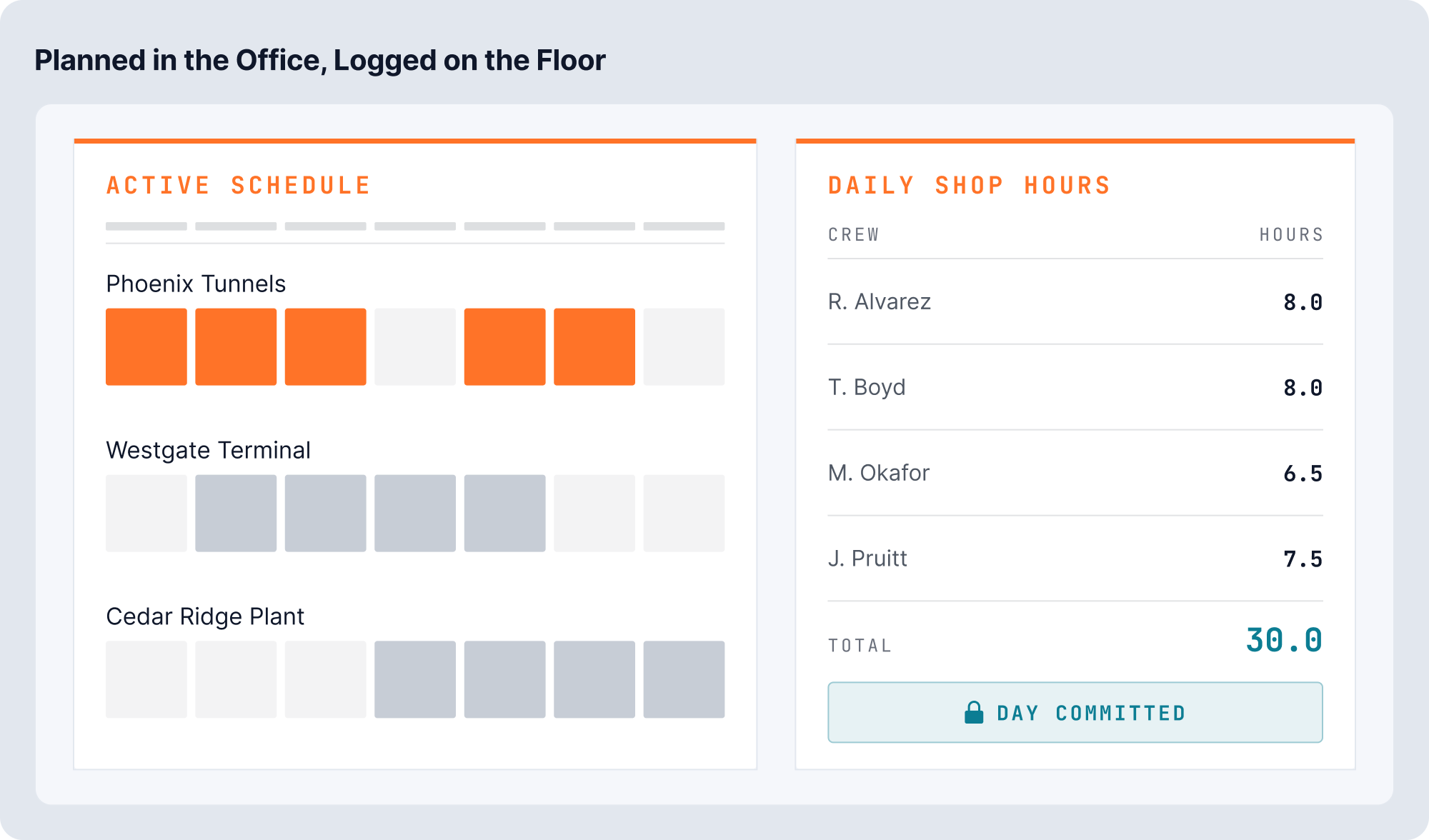
The system also builds schedules from the estimate and provides an active-schedule view across projects. Shop floor managers can log crew hours against scheduled work and commit daily entries, while employee rate changes can be applied from a specified effective date. A shared job-status list is designed to give project managers and shop floor managers a common view of action items.
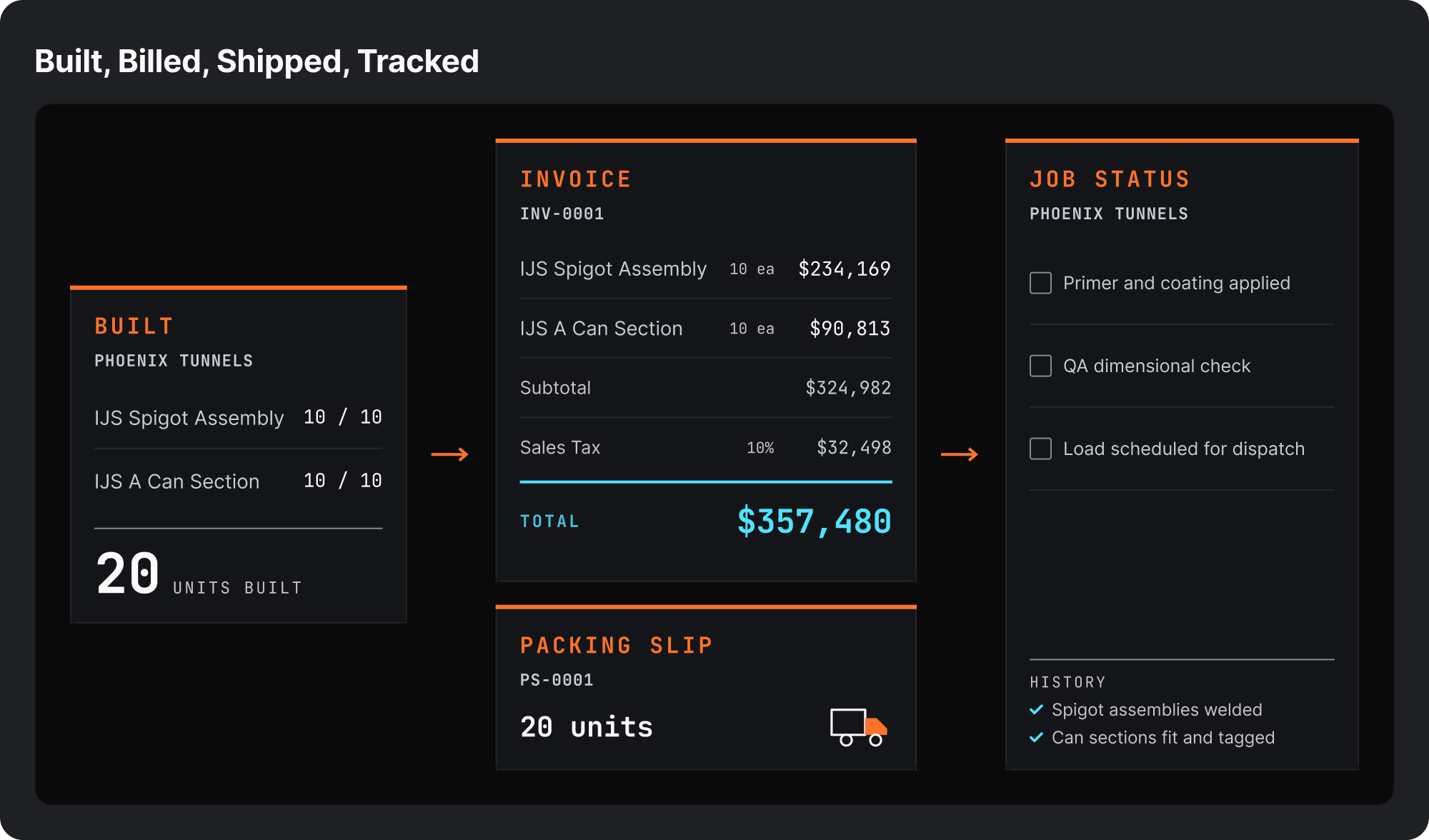
For billing, the offering can generate invoices from manufactured quantities using the shop’s invoice design, with dispatch records and packing slips. Reporting covers planned-versus-actual cost and margin by customer and subdivision, outstanding payments, billed-versus-paid amounts and payment speed by customer. Estimate reporting includes pipeline, win rate, awards by deal size and trend data.
For IT and operations teams, the practical value is not simply another construction application. The offering attempts to make the original estimate a shared operational record across office and shop-floor processes, reducing duplicate entry and giving managers earlier visibility into cost changes. Linarc did not provide independent performance data or customer results for the new workflows, so organizations would need to assess how its integrations, reporting and processes fit their own fabrication operations.